Foods to Avoid and Foods to Eat in Moderation While Breastfeeding | What to Really Be Careful About and the Misconception That You Can't Eat Them
You must feel anxious during breastfeeding, wondering what you shouldn't eat. The only things you truly need to avoid are alcohol, and caffeine is the only thing to cut back on moderately. Most things known to be off-limits, like honey or fried food, are actually fine to not worry about. Here's a quick rundown: avoid, moderate, and no worries.
When you keep hearing "you can't have this, you can't have that," you end up not knowing what on earth you're supposed to eat, and mealtimes start to feel scary. When you're raising a baby for the first time, you'll feel this way at least once. The internet is overflowing with "lists of foods you shouldn't eat while breastfeeding," and the more you look, the more anxious you get.
Let me start with the most important thing: there really aren't that many things you truly need to be careful about. The clear one to avoid is alcohol, and the one to cut back on is caffeine. Most of the other things labeled as "not allowed" are often fine to not worry about too much. During breastfeeding, what actually matters more is eating well.
In this article, I've sorted breastfeeding foods into three groups: avoid · in moderation · it's fine. Once you can see what you can safely eat rather than what you need to cut out, your three meals a day get a lot easier.
Contents
- At a glance — avoid · in moderation · it's fine
- Definitely avoid — alcohol
- Cut back in moderation — caffeine
- Most "don't eat this" warnings are misunderstandings — honey, fried food, curry
- Eating well comes before restricting
- Frequently asked questions
- Summary
1. At a glance — avoid · in moderation · it's fine
Before memorizing all the details, getting the big picture first makes things less confusing. Breastfeeding foods are simple if you think of them in three broad groups.
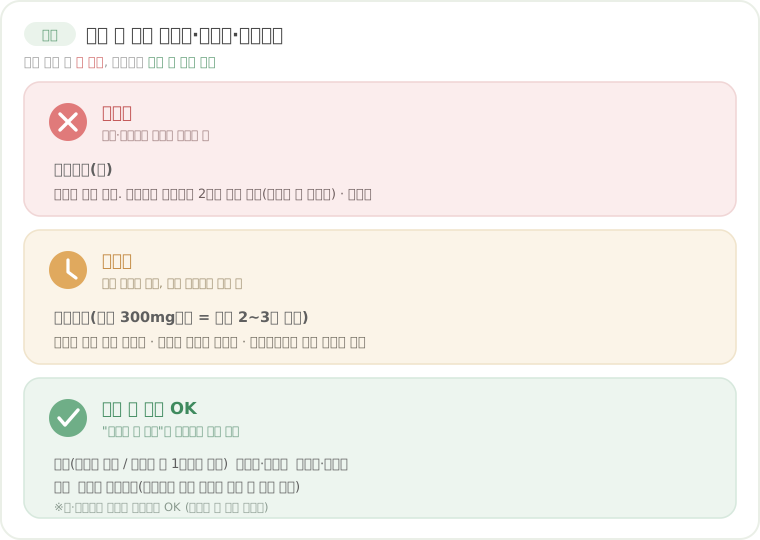
- Avoid: alcohol, smoking - In moderation: caffeine (up to about 300mg a day), not overdoing large fish - It's fine (common misunderstandings): honey, fried food and fresh cream, curry and spices, rice cakes, specific allergens (if your baby has no diagnosis)
The key point is that the only thing you really need to avoid is alcohol. The rest are often fine "in moderation" or "as balanced as usual." Let's go through them one by one.
2. Definitely avoid — alcohol
The thing to be most careful about while breastfeeding is alcohol. Alcohol you drink passes straight into breast milk, and the concentration in breast milk is nearly the same as in your blood. The alcohol level in breast milk usually peaks about 30 minutes to an hour after drinking, and it's known to possibly affect your baby's development. So while breastfeeding, avoiding alcohol is the safe default.
If you did drink, leave enough time
If you drank because you couldn't get out of a situation, leaving enough time before breastfeeding matters. Even a very small amount can show up in breast milk within an hour, so it's usually recommended to wait at least 2 hours before feeding. The more you drank, the longer you should wait to be safe.
Pumping and dumping doesn't remove the alcohol
A common misunderstanding is thinking "if I pump and dump, the alcohol goes away." But because breast milk is made from blood, pumping and dumping doesn't lower your blood alcohol level. The only thing that helps alcohol clear is time passing, not pumping.
3. Cut back in moderation — caffeine
Caffeine in coffee, black tea, or green tea isn't an absolute no. The amount that passes into breast milk is very small (about 1% of what you take in), so while breastfeeding the guideline is up to about 300mg a day. In terms of coffee, that's roughly two to three cups a day.
That said, energy drinks and some sodas can contain more caffeine than you'd expect, so try to make sure it doesn't add up to too much overall. If your baby seems fussier than usual or has trouble sleeping, you can cut back and watch for a few days. Every baby responds a little differently.
4. Most "don't eat this" warnings are misunderstandings — honey, fried food, curry
Most of the things known as "don't eat while breastfeeding" are actually foods you don't need to worry about too much. Let's go through the common ones.
Honey — moms can eat it
There are the most misunderstandings about honey. The botulinum bacteria in honey is a problem when a baby eats it directly, and it's fine for a mom to eat it. The spores aren't passed to the baby through the mom's body or breast milk. However, you shouldn't give honey to the baby itself until after their first birthday (12 months) — this is a separate matter from breastfeeding and a must-follow caution for solid foods.
Does eating fried food or fresh cream cause mastitis?
People often say "eating greasy food clogs milk and causes mastitis," but there's no clear scientific evidence that a specific food directly causes it. It's generally true that overeating isn't good for you, but you don't need to be overly afraid of your usual amount.
What about curry, spices, and rice cakes?
Curry and spices are fine in reasonable amounts, no need to be sensitive about them. Rice cakes also have no clear evidence of increasing or blocking milk supply. Adjusting the amount only when you notice something like your baby being unusually fussy is enough.
Should I cut out eggs or milk because I'm worried about allergies?
If your baby has no allergy diagnosis, there's no need for the mom to preemptively cut out things like eggs or milk as prevention. Cutting them out on your own judgment can actually throw off your nutritional balance, so if you're worried, it's best to decide after consulting a doctor.
5. Eating well comes before restricting
We've looked at "avoid" and "in moderation" so far, but the most important thing during breastfeeding is actually eating well. While breastfeeding, you need about 350kcal more per day than usual, and extreme dieting or restricting meals is bad for both your milk and your energy.
Eat a variety of foods in balance, and drink water often. Rather than cutting things out thinking "not this, not that," properly getting what you need helps both you and your baby more.
By the way, for raw foods like sashimi, as long as you're careful about hygiene, you don't need to be overly sensitive — this is covered in detail in whether you can eat raw fish or sushi while breastfeeding. And how to continue breastfeeding if you get sick from spoiled food is covered in if you get food poisoning while breastfeeding.
Frequently asked questions
Q. How long after drinking can I breastfeed? It depends on how much you drank, but at least 2 hours, and longer if you want to be safer. Pumping and dumping doesn't speed it up, so giving it time is the basic rule.
Q. Can I eat cookies or bread with honey? It's fine for a mom to eat. The caution with honey is about not giving it to the baby itself (until their first birthday), which is a different matter from a breastfeeding mom eating it.
Q. Are there foods I should definitely eat for my milk? There's no special food where "eating this increases your milk." Rather than relying on a specific ingredient, the fastest path is a balanced diet of rice, soup, and side dishes, plus staying hydrated.
Summary
There really aren't that many things you need to be careful about while breastfeeding. The clear one to avoid is alcohol, and the one to cut back on is caffeine (up to about 300mg a day). Most things labeled "not allowed" like honey, fried food, or curry are often fine to not worry about too much.
Rather than filling your head with what to cut out, focus more on eating a well-balanced diet. If there's something about your baby that concerns you, or something hard to judge like taking medication, don't decide on your own — checking with a doctor or pharmacist puts your mind at ease. Every baby is different, so if something worries you, don't carry it alone — ask a doctor or a breastfeeding consultant.
References
Ministry of Food and Drug Safety · Korean Academy of Breastfeeding Medicine — caffeine while breastfeeding up to 300mg a day, alcohol to avoid by default (milk concentration ≒ blood concentration)
Korea Disease Control and Prevention Agency National Health Information Portal — successful breastfeeding (nursing mother's diet, feeding interval after alcohol consumption)
American Academy of Pediatrics (AAP) — feeding interval when drinking, breast milk is made from blood so pumping and dumping doesn't remove alcohol
Honey · botulism — safe for moms to consume, forbidden for the baby until 12 months (solid food caution)
Breastfeeding energy — need about 350kcal more per day than usual, no extreme dieting