Autumn Tick Bites: Prevention, Removal and Warning Signs
Worried about tick bites after autumn grave visits or foliage outings? Here is how to tell chigger mites from hard ticks, safe removal steps, warning signs that need a doctor, and a three-step prevention checklist.
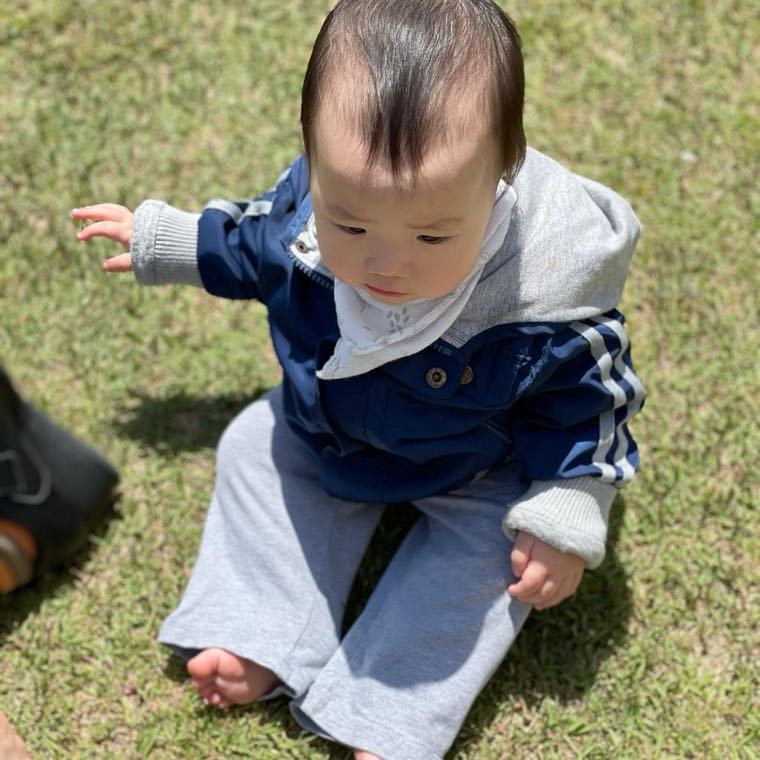
You went to visit family graves, or headed out with your baby because the autumn foliage was lovely. That evening, washing up, you find an unfamiliar black scab on the back of the neck or around the waist, and your heart sinks. Is it an insect bite, a healed scratch, or the tick you have only heard about? It is hard to tell at a glance.
Autumn is a season to be especially careful about ticks and chigger mites. Scrub typhus (tsutsugamushi disease) sees the most cases in the autumn-to-early-winter months, and that timing overlaps with outdoor activities that bring the body against grass, such as visiting graves, clearing weeds, harvesting, autumn-foliage outings and camping. A baby cannot remove a tick on their own or tell you what feels wrong, so there is a lot a caregiver needs to watch for on their behalf.
This one article gathers what you need: what kinds of autumn ticks there are, how to remove one safely if your baby is bitten, which signs mean you should go to the doctor right away, and a three-step prevention routine to avoid bites in the first place. Jump to the part you need now.
Contents
- Why be more careful about ticks in autumn?
- What kinds of autumn ticks are there?
- Where do babies usually get bitten?
- How do you remove a tick after a bite?
- When to go to the doctor
- How do you prevent tick bites?
- Frequently asked questions
- In summary
Why be more careful about ticks in autumn?
Because autumn is when tick-borne infections occur most in the year. Scrub typhus, a leading example, concentrates its cases in the autumn-to-early-winter period, and that timing lines up exactly with activities that bring the body against grass or hills, such as visiting graves, clearing weeds, harvesting, foliage outings and camping.
Ticks cling to the tips of grass or low brush and transfer onto passing people or animals. So the risk of being bitten rises when you sit on grass without a mat, push through brush, or play out on the grass. Babies are shorter, so their bodies touch grass more easily, and because they cannot remove a tick or tell you about it, autumn is a season for caregivers to take extra care.
What kinds of autumn ticks are there?
The autumn ticks to watch for fall into two broad groups: scrub typhus, carried by chigger mites (larvae), and SFTS, carried by hard ticks. The names are easy to mix up, but the carriers differ, and so do the incubation periods, symptoms and treatments, so it helps to tell them apart. Here is an at-a-glance table first.
Category | Scrub typhus (chigger-borne) | SFTS (hard-tick-borne) |
|---|---|---|
Carrier | Chigger mite larvae | Hard ticks (e.g. Haemaphysalis longicornis) |
Incubation | About 1-3 weeks | About 4-15 days |
Main symptoms | High fever, chills, muscle pain, rash; an eschar (black scab) at the bite | High fever with GI symptoms such as vomiting and diarrhea |
Telltale sign | An eschar (black scab) commonly appears | A clear bite mark may not be visible |
Treatment | Treatable with antibiotics; early response matters | No dedicated treatment yet; prevention is best |
Fatality | Generally good outlook if treated early | Relatively high, around 20% |
Chigger mites and scrub typhus
Scrub typhus is an infection passed on by the bite of a chigger mite larva. After an incubation of about 1-3 weeks, high fever, chills, muscle pain and rash appear, and a black scab called an eschar forming at the bite is the telltale sign. This black scab can look like a healed insect bite and is easy to overlook, but if it appears together with a high fever, it is best not to let it pass.
Fortunately, scrub typhus can be treated with antibiotics. Because noticing and responding early shapes the outcome, it is important to seek care promptly if a black scab and fever appear together after outdoor activity.
Hard ticks and SFTS
SFTS stands for severe fever with thrombocytopenia syndrome, passed on by the bite of a hard tick (such as Haemaphysalis longicornis). The incubation is about 4-15 days, and high fever tends to come with prominent GI symptoms like vomiting and diarrhea.
SFTS still has no dedicated treatment or vaccine, and its fatality rate is relatively high at around 20%, so above all, preventing bites is best. Unlike scrub typhus, a clear black scab is not always visible, so if unexplained high fever and GI symptoms continue after outdoor activity, it is a good idea to seek care with possible tick exposure in mind.
Where do babies usually get bitten?
Ticks mostly transfer in grassy places like meadows and low hills. In autumn, typical spots are around gravesites during visits and weeding, the lawns and forest paths of foliage outings and camping, and near fields at harvest time.
The situations that put a baby at risk tend to be similar: sitting or lying directly on grass without a mat, brushing clothing or bare skin against grass while passing through brush, or crawling and playing on the grass. Babies are shorter than adults, so their bodies touch grass more easily, and sleeves or cuffs can ride up to expose skin, so exposure can be greater. That is why how you dress them and where you seat them matter as much as where they play.
How do you remove a tick after a bite?
If a tick is already attached to the skin, the basic method is to grasp it as close to the skin as possible with fine-tipped tweezers and pull straight up, slowly. However, removing it wrong can leave the tick's mouthparts in the skin or cause fluids to back up, so having it removed at a medical facility is safer when possible. With a baby especially, rather than forcing it out yourself, think of the clinic first.
Safe removal steps
- Prepare fine, sharp-tipped tweezers.
- Grasp the head end closest to the skin, not the body.
- Without twisting, pull straight up, slowly and steadily, perpendicular to the skin.
- Wash the spot with soap and water and keep it clean.
- Note the date of the bite, and watch for symptoms like fever or rash over the next few days to three weeks.
What you must never do
- Do not twist the tick or crush its body. The mouthparts may stay behind, or fluids may back up.
- Do not grab and crush it with your hands.
- Folk methods like burning it off or smothering it with petroleum jelly or alcohol are not recommended. They can irritate the tick and make things worse.
- If the mouthparts stay in the skin after forcing it out, do not dig them out; have it checked at a medical facility to be safe.
When to go to the doctor
If you see even one of the signs below in the few days to three weeks after a bite, do not delay: see a pediatrician or go to the emergency room. Because babies find it hard to describe symptoms, also watch for changes like being unusually floppy or not feeding well.
Warning-sign checklist after a tick bite
- A high fever over 38C (100.4F), or chills.
- A rash at the bite or on the body.
- A black scab (eschar) at the bite.
- GI symptoms like vomiting or diarrhea that continue.
- Complaining of a severe headache, or unusually low energy and floppiness.
- Unexplained symptoms after outdoor activity that recur or worsen.
When you see the doctor, be sure to mention the recent outdoor activity and the possibility of tick exposure. Details like when and where you went, and when you found the bite, help speed up diagnosis and treatment.
One more thing. If a fever appears, giving fever reducers or antibiotics from home on your own is not recommended. Tick-borne infections are treated differently depending on the type, and self-medicating can delay diagnosis or mask the condition. It is safest to have medicine decided through a medical visit.
How do you prevent tick bites?
The surest thing is prevention that keeps bites from happening in the first place. The outdoor-activity precautions recommended by public health authorities can be organized into three broad steps: block with clothing and repellent, keep the body off the grass, and check right after coming home. Use the checklist below to run through each item before and after an outing.
Three-step prevention checklist
Step 1 - Before heading out: clothing and repellent
- Dress your baby in a light-colored long-sleeve top and long pants. Light clothing makes ticks easier to spot.
- Tuck pant cuffs into socks or fasten them so bare skin is not exposed.
- When using tick repellent, check your baby's age and the ingredients (DEET concentration, icaridin, etc.) and use it as directed on the product. Avoid using unverified concentrations on your own.
Step 2 - Outdoors: keep off the grass
- Lay a mat on lawns or grass, and do not seat or lay your baby directly on the ground.
- Watch that they do not push through brush or crawl around on the grass.
- Do not leave removed clothing or blankets sitting on the grass.
Step 3 - After coming home: check right away
- Shower your baby as soon as you are home, and wash the clothes they wore right away.
- Check skin folds carefully - behind the ears, the neck, armpits, waist, behind the knees and the groin, where ticks like to hide.
- The caregiver should personally check inside the diaper and the folds under clothing. Because a baby cannot remove a tick themselves, this step is especially important.

Frequently asked questions
From what age can tick repellent be used?
Repellents differ by product in the ages they can be used at and their ingredient standards, so first check the product's age guidance and ingredients (DEET concentration, icaridin, etc.). For a young baby, it is safer to make physical barriers - light-colored long clothing and a mat - the basics, and treat repellent as a supplement. If you are unsure whether to use it, ask your pediatrician.
What does a tick bite mark look like?
With scrub typhus, a black scab called an eschar often forms at the bite. It can look like a healing insect-bite scar and is easy to overlook, but if symptoms like high fever or rash come with it, it is best not to let it pass. On the other hand, a hard-tick bite may leave no clear mark, so it is hard to feel reassured or draw conclusions from the presence of a mark alone.
Can a pet bring a tick into the house?
Ticks can hitch a ride on the fur of a pet that has been out in the grass. After a walk, check your pet's body too, and talk to your vet about tick prevention. In a home where a baby and a pet live together, it helps to look out for each other's post-outing checks.
Are the neighborhood playground and lawns risky too?
Ticks are mainly found in grassy hills and meadows, but you can also be bitten in parks and playgrounds with unkempt grass or brush. Rather than trying to reduce the risk to zero, it is more realistic to dress in long clothing, avoid seating your baby on grass for long, and build the habit of checking after you come home.
In summary
Autumn is when tick-borne infections are most common, so a little care before and after activities that bring the body against grass, like grave visits or outings, can greatly reduce the risk. Scrub typhus, carried by chigger mites, and SFTS, carried by hard ticks, differ in incubation and symptoms, but the prevention rules are the same.
Three things are key: block with light-colored long clothing and repellent, lay a mat on the grass, and wash and check the skin folds as soon as you get home. And if signs like high fever, rash, a black scab, or vomiting and diarrhea appear in the few days to three weeks after a bite, do not give medicine on your own; mention the outdoor-activity history and seek care. Because a baby cannot remove a tick or say that it hurts, one check by a caregiver is the most reassuring prevention of all.